
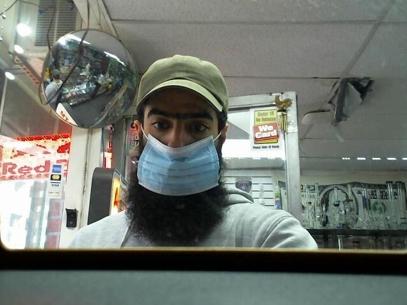
Federal prosecutors say a man in Lavonia, 34, routed more than $26,000 in cryptocurrency to contacts and organizations linked to the Islamic State group, and that he destroyed evidence before agents took him into custody Wednesday.
The U.S. Justice Department announced the case against Younes Moustafa Younes on Thursday in a news release. His complaint lists two counts: destroying evidence and international money laundering. The law behind the money laundering count makes it a crime to send money abroad to promote certain other crimes. A conviction on either count could bring 20 years behind bars.
Younes went before U.S. Magistrate Judge Charles H. Weigle on Thursday and is being held by federal authorities. Two hearings are scheduled for Monday, Nov. 23, in Macon. At one, a judge weighs whether there is probable cause for the charges; at the other, whether Younes should stay locked up while the case proceeds.
"A criminal complaint is merely allegations of criminal conduct," the department said in the release. Younes is presumed innocent unless proven guilty.
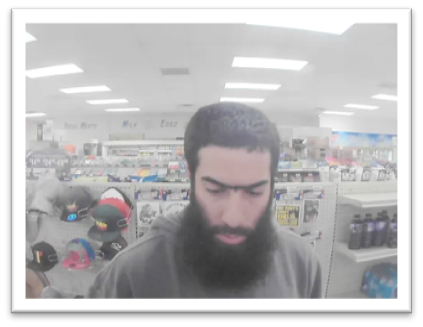
Prosecutors allege at least part of the $16,807 that Younes moved in cryptocurrency from December 2025 to June 2026 was meant to help the Islamic State's cause in Syria. To mask who was sending the money, they say, he rotated through multiple phone lines and accounts.
Online ISIS propaganda that Younes allegedly viewed first put him on the FBI's radar in 2020, prosecutors said. Under a false name, he then made 11 crypto transfers from December 2021 to April 2022 totaling about $9,206, they allege.
That September, he left for Turkey without a return ticket. He stayed roughly two years, prosecutors said, until he was detained and sent back to the U.S.
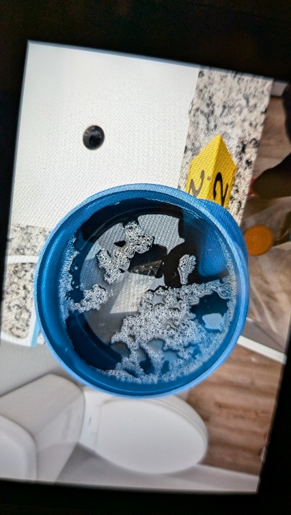
Younes was still altering and destroying evidence the day he was arrested, according to the complaint. Agents who searched his apartment Wednesday turned up paper shreds in his tub. Three cellphones had been left soaking in a liquid investigators couldn't identify. The identification number had been removed from one; a second was smashed.
The FBI's attention to the case drew thanks Thursday from Lavonia police, NowGeorgia reported.
Agents in the FBI's Atlanta field office are in charge of the investigation, with support from the bureau's Newark office and the federal National Counterterrorism Center. Prosecutors come from the U.S. attorney's offices for Georgia's Middle District and for New Jersey, along with the Justice Department's National Security Division.
Beyond prison time, a money laundering conviction carries a fine of up to $500,000, and the evidence count up to $250,000. After any prison term, he would also spend three years under court supervision.